 Pin
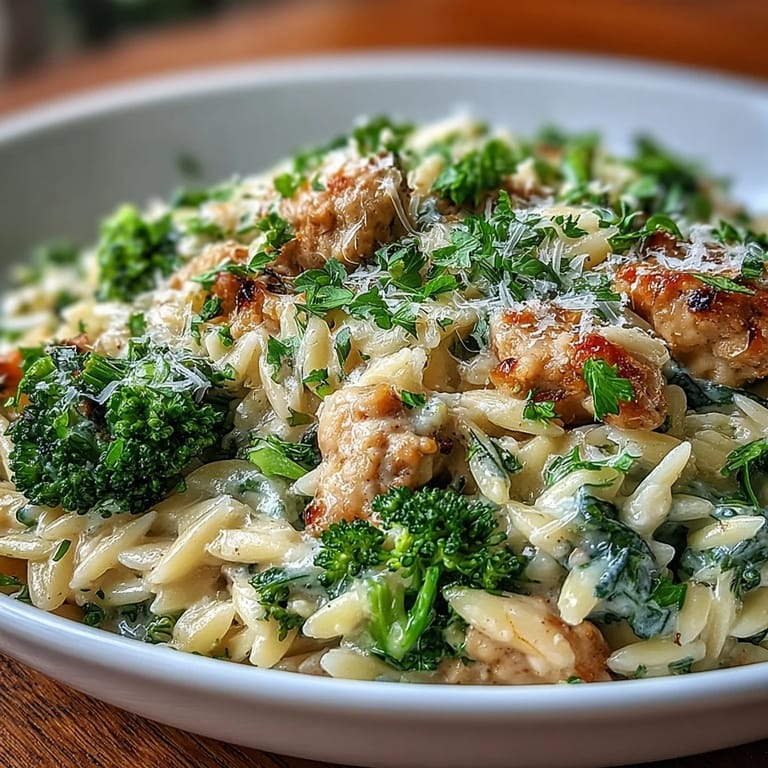
Pin There's something about the smell of garlic hitting hot oil that makes me feel like I'm actually cooking instead of just following instructions. One weeknight, I was staring into my fridge at some ground turkey and broccoli, thinking I'd make yet another sad stir-fry, when it hit me—why not make this creamy, one-pan situation instead? The first time I combined everything in a single skillet, watching the orzo absorb all that garlicky broth while the turkey stayed tender, I realized this was going to become a regular rotation. It feels fancy enough for company but simple enough for a Tuesday night when I'm tired.
I made this for my partner after he'd had a rough day at work, and watching him take that first bite—the way his shoulders actually relaxed—told me everything I needed to know. He asked for seconds before he'd even finished his first bowl, and suddenly this weeknight dinner felt like the kind of thing that brings people together. Now whenever he's had one of those days, this is what he asks me to cook.
Ingredients
- Lean turkey mince, 500 g (1 lb): Turkey breaks down quickly and stays moist when it's cooked in liquid, and its mild flavor lets the garlic and herbs shine without being overpowering.
- Broccoli florets, 1 medium head, about 350 g (12 oz): Cut them small enough that they cook through in the same time as the orzo, and they'll soak up the sauce instead of staying dry.
- Yellow onion, 1 small, finely chopped: A finely chopped onion melts into the base and builds flavor without the texture of chunks.
- Garlic cloves, 3, minced: Don't skip the mincing—garlic needs surface area to release its fragrance and flavor into the oil at the start.
- Orzo pasta, 250 g (9 oz): This rice-shaped pasta is perfect because it drinks in the creamy sauce instead of sliding around in a pool of it.
- Low-sodium chicken broth, 700 ml (3 cups): Low-sodium lets you control the seasoning as you go, and the pasta will absorb flavors better than it would in plain water.
- Whole milk, 180 ml (¾ cup): Whole milk adds richness without needing heavy cream, and it prevents the sauce from breaking when it heats.
- Parmesan cheese, finely grated, 60 g (½ cup): Grate it fresh if you can—pre-grated contains starch that makes the sauce grainy instead of smooth.
- Cream cheese, 2 tbsp: This is the secret weapon for creaminess without heaviness; it melts silky and stabilizes the sauce.
- Olive oil, 2 tbsp: Use enough to hear a gentle sizzle when the turkey hits the pan, not enough to make it greasy.
- Dried thyme and oregano, ½ tsp each: These herbs bloom when you cook them in oil and broth, developing deeper flavor than if you added them at the end.
- Crushed red pepper flakes, ¼ tsp (optional): A pinch adds a whisper of heat that makes people ask what's in the dish without realizing it's spice.
- Salt and black pepper, to taste: Season as you go, especially after the cheese goes in, because cheese is salty and you don't want to oversalt.
- Fresh parsley, chopped, for garnish: Fresh herbs cut the richness and add a bright finish that makes the dish feel complete.
- Extra parmesan cheese, for serving: A final shower of cheese is never a mistake.
Tired of Takeout? 🥡
Get 10 meals you can make faster than delivery arrives. Seriously.
One email. No spam. Unsubscribe anytime.
Instructions
- Brown the turkey and build the base:
- Heat the olive oil in your large skillet over medium heat until it shimmers, then add the turkey mince. Break it apart with your wooden spoon as it cooks, letting it brown evenly and lose its pink color—this takes about 5 to 6 minutes. Don't rush this step; browning adds flavor through caramelization that you can't get any other way.
- Soften the aromatics:
- Add the chopped onion to the browned turkey and stir every so often until the onion becomes translucent and soft, about 2 to 3 minutes. Add the minced garlic and let it cook for just 1 minute until the kitchen fills with that unmistakable garlic smell—that's your signal that the raw edge is gone.
- Toast the vegetables and spices:
- Toss in the broccoli florets along with the thyme, oregano, and red pepper flakes if you're using them. Stir everything together and let it cook for 2 minutes, which wakes up the dried herbs and starts cooking the broccoli on the surface. You'll notice the broccoli will soften more as the liquid comes in.
- Combine and simmer:
- Pour in the uncooked orzo and stir so the pasta is distributed evenly, then add the chicken broth and milk all at once. Season with salt and pepper—be generous but not heavy, since you'll taste and adjust later. Bring the mixture to a simmer, watching the surface bubble gently, then turn the heat down to medium-low and cover the skillet with its lid.
- Cook until tender:
- Let everything cook for about 10 minutes, stirring occasionally so the orzo doesn't stick to the bottom, until the pasta is tender to bite and the broccoli is no longer crunchy. The broth should be mostly absorbed, with a little liquid remaining—this is when the magic happens.
- Create the cream sauce:
- Turn off the heat and stir in the cream cheese, breaking it into smaller pieces so it melts faster, then add the parmesan cheese. Stir until everything is melted and combined into a smooth, creamy sauce that coats the orzo and turkey. Taste and adjust the salt and pepper—the cheese adds saltiness, so you might need less than you think.
- Rest and thicken:
- Leave the pan off the heat for 2 to 3 minutes. During this time, the residual heat keeps everything warm while the sauce thickens slightly, and the flavors settle and deepen. This resting period is when the dish goes from good to actually memorable.
- Finish with freshness:
- Top each serving with a handful of freshly chopped parsley and a generous sprinkle of extra parmesan cheese. Fresh herbs cut through the richness and make every spoonful feel vibrant instead of heavy.
 Pin
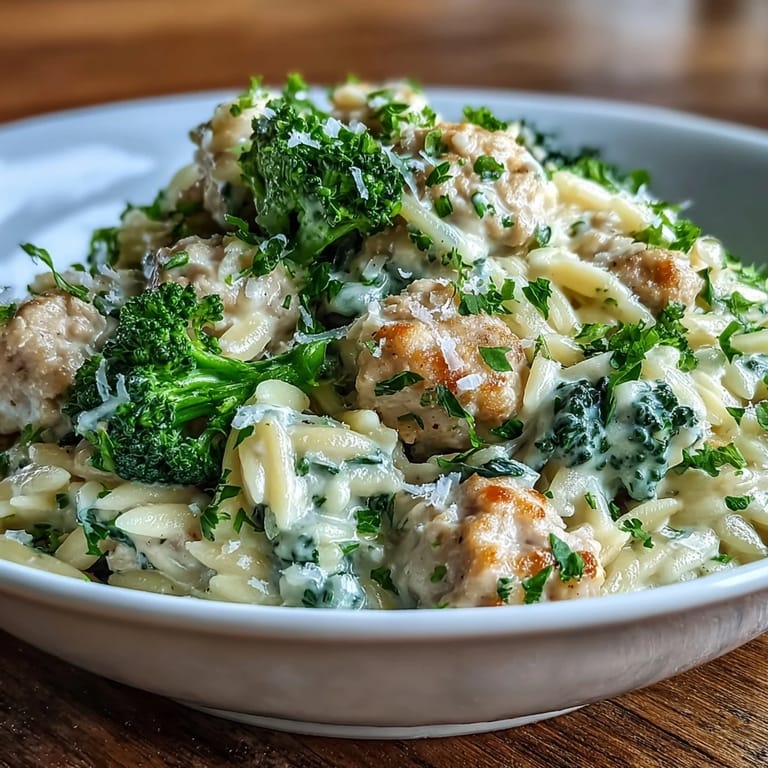
Pin The moment someone adds their own parmesan and parsley on top, making it exactly how they like it, is when I know the dish has done its job. It's food that brings people to the table and makes them feel like someone cared enough to cook.
Why This Works as a Complete Meal
The beauty of this dish is that it doesn't need sides—the orzo is your starch, the broccoli is your vegetable, and the turkey is your protein, all existing together in one pot with a sauce that ties everything together. That said, I sometimes serve it with a sharp green salad on the side or a slice of garlic bread for soaking up any remaining sauce, but honestly, the pan is the whole story. It's the kind of dish that feels complete because nothing is missing.
Flavor Layers That Actually Matter
What makes this taste better than it looks on paper is the way the flavors build on each other. The garlic gets cooked in oil first, which mellows it and makes it sweet instead of sharp; then it blooms again in the broth, adding depth without heat. The herbs go in early enough to infuse the whole dish rather than sitting on top as an afterthought, and the cream cheese melting into the sauce at the end brings everything into focus instead of letting individual flavors shout over each other.
Timing and Temperature Details
This dish moves quickly once you start, so before you turn on the heat, make sure your broccoli is cut into florets, your garlic is minced, and your cheese is grated. Medium heat is your friend here—too high and the milk can scorch on the bottom of the pan, too low and you'll be waiting forever. The 10-minute cook time for the orzo assumes you're using regular orzo and a medium-low heat; if your stove runs hot or you're at high altitude, check the texture at 8 minutes and adjust from there.
- Keep a wooden spoon handy and stir occasionally while the pasta cooks so nothing sticks to the bottom of the pan.
- The pasta will continue to soften slightly after you add the cream cheese from the residual heat, so don't overcook it in the broth.
- If the sauce seems too thick after resting, stir in a splash of broth or milk to loosen it without making it soupy.
 Pin
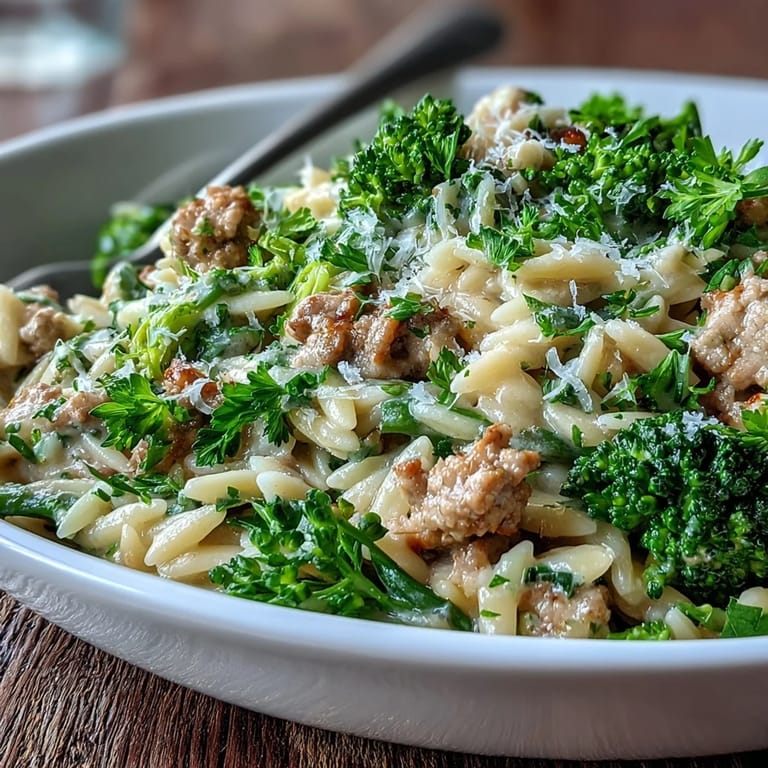
Pin This is the kind of dinner that sneaks into your regular rotation and never leaves, the one people text you about days later saying they made it again at home. It proves that simple cooking, done with attention to one small thing at a time, can feel luxurious without being complicated.
Recipe FAQ
- → Can I use ground chicken instead of turkey?
Yes, ground chicken works perfectly as a substitute for turkey mince. It has a similar mild flavor and texture, and will cook in the same amount of time.
- → What can I use instead of orzo pasta?
You can substitute with other small pasta shapes like stelline, small shells, or even broken spaghetti pieces. Adjust cooking time as needed based on pasta size.
- → How do I store leftovers?
Store in an airtight container in the refrigerator for up to 4 days. The orzo will continue absorbing liquid, so you may need to add a splash of milk when reheating.
- → Can I make this dish dairy-free?
You can use dairy-free alternatives like almond milk and vegan parmesan-style cheese. For the cream cheese, try a dairy-free version or omit it entirely—the sauce will still be creamy from the starchy orzo.
- → How can I add more vegetables?
Baby spinach works well when added in the last 2 minutes of cooking. You can also add diced bell peppers, zucchini, or peas along with the broccoli for extra nutrition.
- → Why should I let it stand before serving?
Letting the dish rest for 2-3 minutes off the heat allows the sauce to thicken slightly as the orzo continues absorbing liquid, giving you a creamier consistency.