 Pin
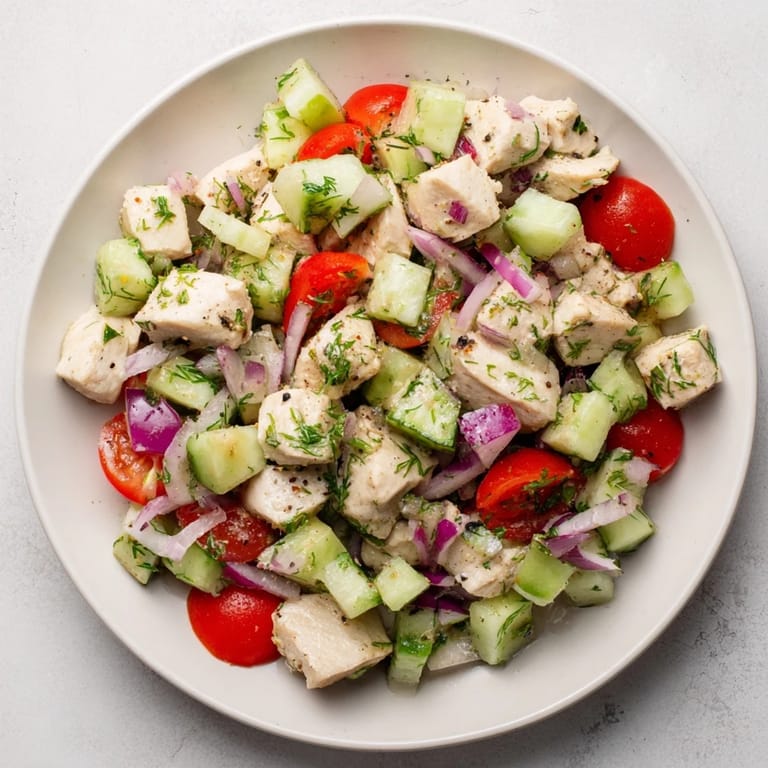
Pin There's something about a perfectly cold salad on a warm afternoon that makes you feel like you've got your life together. I discovered this cucumber and chicken shaker on one of those days when the kitchen felt too hot to turn on the oven, but my stomach was definitely complaining. What started as rummaging through the fridge turned into this clean, bright meal that somehow tastes more interesting than it has any right to—vinegar and fresh herbs doing all the heavy lifting, no oil required.
I made this for my friend Kat on a day she was stressed about deadlines, and watching her face light up after that first bite was worth more than any compliment. She kept asking what was in it, convinced something this refreshing must involve some kind of secret ingredient—but it was just the combination of acid, herbs, and the patience to let the flavors sit together for a few minutes.
Ingredients
- Boneless, skinless chicken breasts (2 small, about 250 g): Poaching keeps them tender and moist without any oil, which is the whole point here. Don't skip the salt in the water—it seasons the chicken from the inside out.
- Cucumber (1 large, diced): The watery, crisp backbone of this salad. Dice it right before serving if you can so it doesn't get soft.
- Red onion (½ small, finely chopped): Raw onion brings a sharp bite that wakes up every bite. The acidity in the dressing mellows it out just enough.
- Red bell pepper (1 small, diced): Adds sweetness and a pop of color. It sits beautifully next to the cool green cucumber.
- Cherry tomatoes (100 g, halved): Use ripe ones or this whole thing falls flat. If your tomatoes taste like nothing, honestly just skip them.
- Fresh dill (2 tbsp, chopped): Dill is the star here, bringing an unexpected brightness that feels almost oceanic. Don't use dried—it's not the same dish.
- Fresh parsley (2 tbsp, chopped): Mild and grassy, it lets the dill shine without competing.
- Fresh mint (1 tbsp, chopped): A small amount adds an herbal coolness that lingers on your tongue.
- Apple cider vinegar or white wine vinegar (3 tbsp): This is your dressing base and does the work of oil. Choose one you actually like drinking—the flavor matters.
- Lemon juice (1 tbsp, freshly squeezed): Bottled juice tastes tinny here. Fresh lemon brings warmth that bottled can't touch.
- Dijon mustard (1 tsp): A touch of mustard adds body and helps emulsify the dressing slightly, making it cling to the vegetables.
- Honey (½ tsp, optional): Only add this if your vinegar tastes too sharp. It softens things without making it sweet.
- Sea salt and freshly ground black pepper: Use good salt—it makes a difference in a salad this simple. Crack the pepper fresh if you can.
Tired of Takeout? 🥡
Get 10 meals you can make faster than delivery arrives. Seriously.
One email. No spam. Unsubscribe anytime.
Instructions
- Poach the chicken gently:
- Bring a pot of water to a gentle simmer and season the chicken with salt and pepper. Slide it in and let it cook for 12 to 15 minutes until just cooked through—you're listening for the water to barely bubble, not a rolling boil. This keeps the meat tender and prevents it from drying out.
- Prep your vegetables while the chicken cooks:
- Dice the cucumber and bell pepper into roughly the same size so they cook (well, sit) evenly. Halve the cherry tomatoes lengthwise and finely chop the red onion. This prep work takes maybe five minutes and makes the final assembly painless.
- Whisk your dressing together:
- In a small bowl, combine the vinegar, lemon juice, mustard, honey if using, salt, and pepper. Taste it straight from the whisk—it should make your mouth pucker slightly. This is important because the vegetables will dilute it.
- Combine everything with purpose:
- Once the chicken has cooled slightly, dice or shred it and add it to the vegetables along with all those fresh herbs. Pour the dressing over everything and toss until every piece is glossy and touched by vinegar. Don't be shy with the tossing—the salad gets better as the flavors meld.
- Taste, adjust, and serve:
- Take a bite and check the seasoning. If it needs more acid, add a splash more vinegar. If it needs salt, go easy and stir well. Serve immediately for a cool, crisp salad, or chill for 15 minutes if you want it even more refreshing.
 Pin
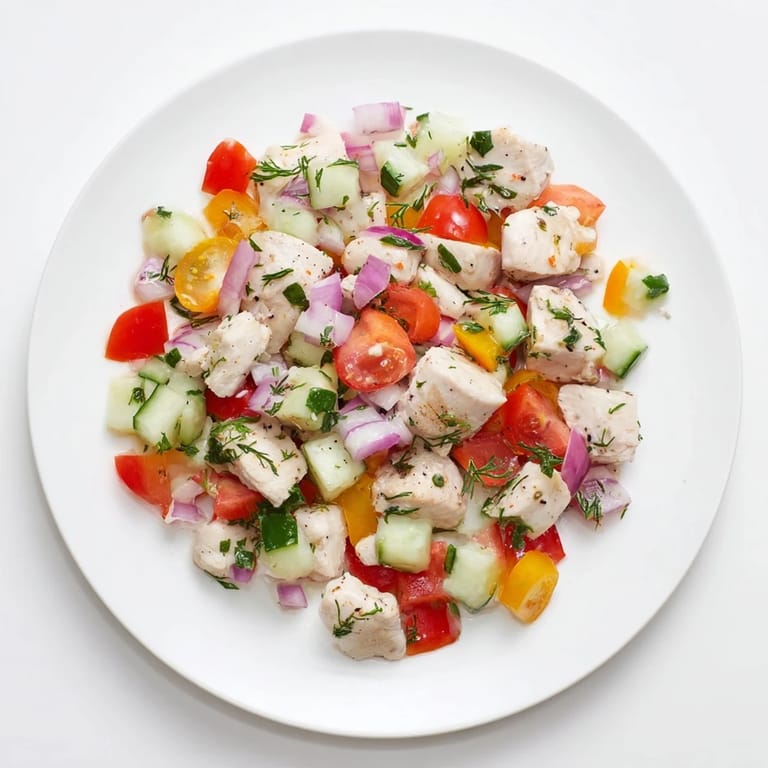
Pin My mom tried this once and immediately started planning how she'd make it for her book club, which I took as the highest compliment. There's something generous about serving people food that's this good for you but doesn't announce it—no virtue signaling, just a plate that tastes bright and makes you feel lighter afterward.
Why This Salad Works Without Oil
Oil usually carries flavor and richness, but here the vinegar takes that job. The acid penetrates the vegetables and chicken, seasoning them from the outside in. The mustard adds a silky texture that mimics what fat would do, and the herbs contribute enough aromatic oil that you don't miss the heavy stuff. It's a lesson in understanding why we use ingredients instead of just following habit.
Making This Feel Like a Meal
Serve it as is if you're eating light, or pile it over mixed greens if you want something more substantial. Some days I've added thinly sliced radishes for extra crunch, or celery for that satisfying snap. I've also swapped the mint and dill for cilantro or basil depending on what's alive in my herb garden that week. The base is so strong it can handle these changes without falling apart.
Small Things That Changed Everything
The first time I made this, I used bottled lemon juice and wondered why it tasted flat. Switching to fresh lemon was like turning up the volume on a quiet radio. I've also learned that letting the salad sit for a few minutes before eating it makes a difference—the vinegar softens the onion's raw edge and the flavors start talking to each other.
- Chill your serving bowls in the freezer for five minutes before plating if you want the salad to stay crisp longer.
- Don't skip the Dijon mustard—a teaspoon might seem silly, but it's the difference between a vinaigrette and a dressing.
- Make this in the morning and eat it throughout the day if you want, though it's best in the first few hours while everything is still crisp.
 Pin
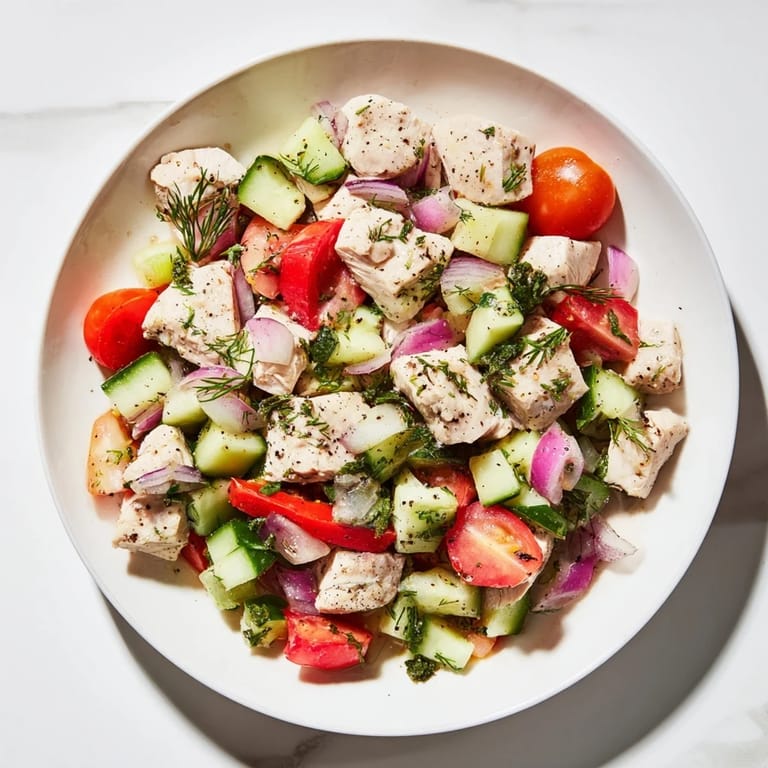
Pin This salad proved to me that constraint breeds creativity. No oil sounds limiting until you realize how much cleaner and more intentional everything tastes without it. Make this when you want something that feels both nourishing and effortless.