 Pin
Pin A friend handed me a package of Ibérico pork at a farmers market in Barcelona, and I remember standing there bewildered—this wasn't like the pork I'd cooked a hundred times before. The butcher explained that the flavor comes from the pig's diet, from patience, from respecting the ingredient itself. That night, I marinaded it overnight almost by accident, fell asleep before seasoning the potatoes, and woke up to make something that tasted like I'd actually planned it all along. Now whenever I need to impress people or quiet my own restless kitchen mind, this is what I reach for.
My sister brought her new partner to dinner once, and I made this dish because I needed something that looked effortless but tasted like love. Halfway through searing the pork, the kitchen filled with this deep, complex smell—the smoked paprika hitting the hot oil, the rosemary releasing everything it had. When we sat down and I sliced that fillet open, I watched their faces, and that's when I knew this recipe had become something I'd make forever.
Ingredients
- Ibérico pork fillet (600 g): This is the star, and it matters—the marbling and fat content create tenderness that regular pork can't match, but good pork tenderloin works if you adjust cooking time down slightly.
- Extra virgin olive oil (5 tbsp total): Use something you'd actually taste on bread; it's a flavor layer here, not just cooking medium.
- Garlic (4 cloves): Minced for the marinade and sliced thin for the peppers because the texture changes how it flavors each component.
- Fresh rosemary (2 tbsp): Chop it finely so it clings to the meat; dried is half as potent, so double it if that's what you have.
- Smoked paprika (2 tsp): This is what makes it taste Spanish, not just seasoned—don't skip it or use regular paprika.
- Lemon zest and juice: The zest goes into the marinade for brightness, the juice for acid that helps break down the muscle fibers gently overnight.
- Sea salt and black pepper: Taste as you go because the paprika already carries flavor.
- Small new potatoes (700 g): Quarter them so they roast evenly and get those crispy edges that matter more than you'd think.
- Fresh thyme (1 tbsp): Scatter it on the potatoes just before roasting so the heat releases the oils without burning the leaves.
- Red bell peppers (2 large): Strip them wide so they caramelize rather than steam; this takes patience but transforms them.
Tired of Takeout? 🥡
Get 10 meals you can make faster than delivery arrives. Seriously.
One email. No spam. Unsubscribe anytime.
Instructions
- Build the marinade the night before:
- Whisk together olive oil, minced garlic, rosemary, smoked paprika, lemon zest, and lemon juice in a bowl until it looks like a loose paste. The paprika will give it a rust color that promises what's coming.
- Coat and chill the pork:
- Lay the pork fillet in a shallow dish or zip-lock bag and pour the marinade over it, turning to coat every surface. Cover it and slide it into the fridge for at least eight hours, ideally overnight—this isn't rushed.
- Get your oven ready:
- About an hour before serving, preheat to 220°C (425°F) and position racks so you have room for two baking trays side by side.
- Start the potatoes first:
- Toss the quartered potatoes with olive oil, salt, pepper, smoked paprika, and thyme leaves, then spread them on a large baking tray in a single layer. They'll need the full 35 to 40 minutes to develop golden, crispy edges.
- Roast the peppers alongside:
- On a second tray, tumble the pepper strips with olive oil, thin garlic slices, and a small pinch of salt. They'll roast for 20 to 25 minutes, developing soft edges and a light caramel color.
- Sear the pork before finishing:
- Remove the pork from the marinade about 20 minutes before you want to eat, pat it dry with paper towels (this matters for browning), then heat a tablespoon of olive oil in an ovenproof skillet over medium-high heat. Sear the fillet for two to three minutes per side until a dark crust forms.
- Finish cooking in the oven:
- Transfer the skillet to the oven and roast for 12 to 15 minutes, or until an instant-read thermometer reads 63°C (145°F) inside. This keeps the meat rosy and tender, not pale and dry.
- Rest before slicing:
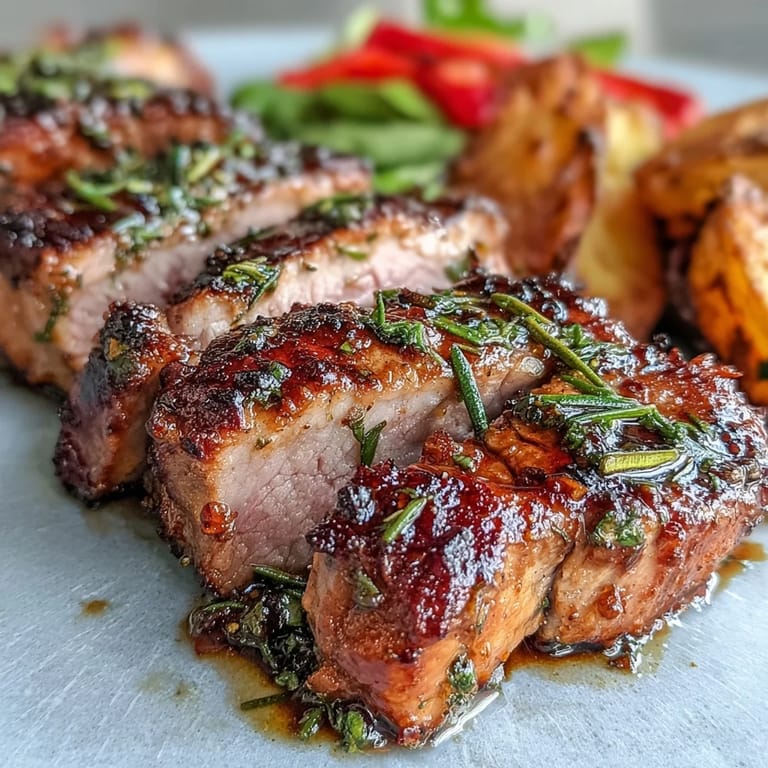
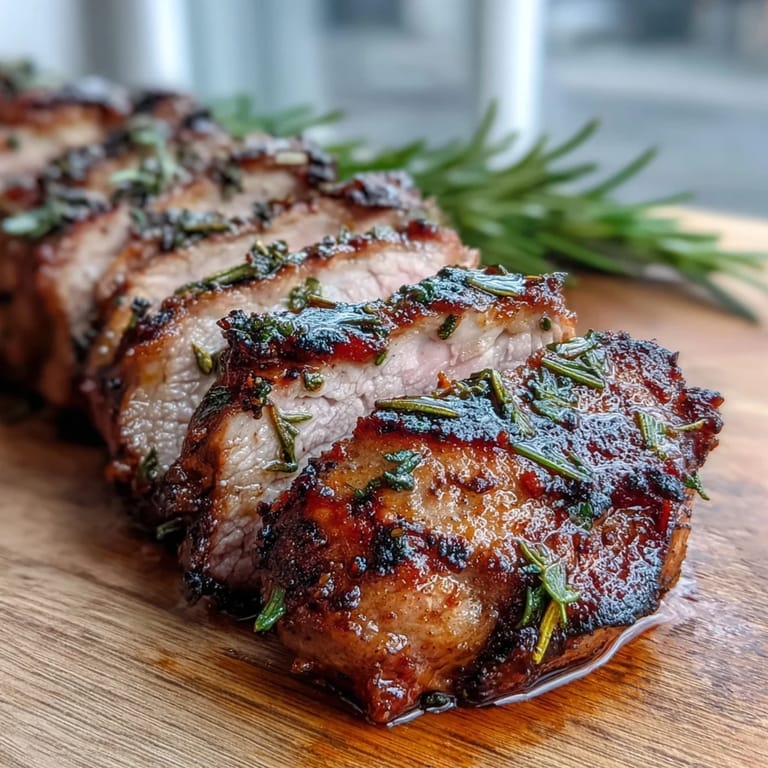
- Pull everything out and let the pork rest on a cutting board for five minutes—the juices redistribute, and you'll slice through silk instead of breaking apart muscle fibers.
 Pin
Pin There's a moment after you've sliced into the pork and you see that perfect pink center, when you know you've done something right. It's not complicated, but it feels ceremonial in a way that simple things sometimes do.
Understanding the Marinade Magic
The overnight marinade isn't just about flavor—it's about texture. The lemon juice and acidic oil begin breaking down the muscle structure gently, which means when you cook it, the pork stays tender even though you're searing it hot and then roasting it. The rosemary and smoked paprika become part of the meat's personality rather than just a surface coating. I learned this the hard way by trying to rush it once, and the result was edible but hollow compared to when I gave it time.
Why These Three Components Matter
The potatoes, peppers, and pork aren't just sides and a centerpiece—they're a conversation. The crispy potatoes absorb the juices from the sliced pork, the soft roasted peppers provide sweetness that balances the savory meat, and everything shares that thread of smoked paprika that ties them together. I used to make this with just the pork, and it was good, but adding the roasted vegetables transformed it into something complete, something that feels intentional on the plate.
Making It Your Own
Once you understand how this dish works, you can nudge it in different directions. Some nights I add a squeeze of fresh lemon juice right before serving for brightness, other times I scatter fresh parsley on top. The bones of the recipe stay the same—the overnight marinade, the searing, the gentle oven finish—but the personality can shift based on what you're feeling or what you have on hand. It's flexible enough to become your own while staying true to what makes it work.
- If you can't find Ibérico pork, quality pork tenderloin works beautifully, though you might reduce cooking time by a few minutes since it's leaner.
- A Spanish Rioja or even a Tempranillo makes this dinner sing, but if wine isn't your thing, the food stands completely on its own.
- Make the marinade in the morning if overnight isn't possible; even a few hours will make a noticeable difference in flavor and texture.
 Pin
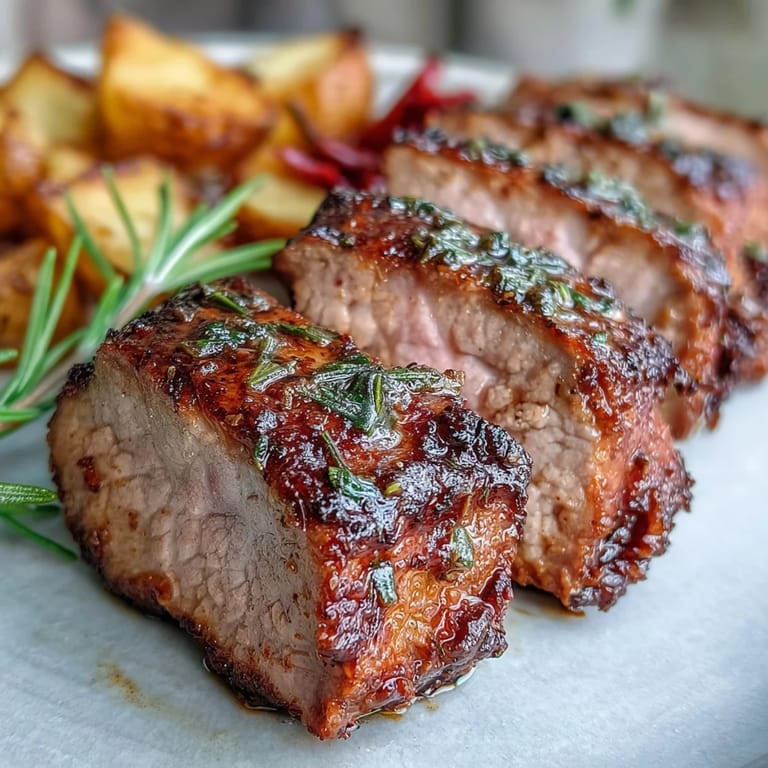
Pin This dish has become my answer to the question "what do I make when it needs to matter." It's not difficult, but it tastes like you cared enough to plan ahead.
Recipe FAQ
- → Can I use regular pork tenderloin instead of Ibérico?
Yes, regular pork tenderloin works well as a substitute. Adjust cooking time as needed since tenderloin may cook slightly faster than Ibérico pork.
- → How long should I marinate the pork?
Marinate for at least 8 hours or overnight for best results. This allows the garlic, rosemary, and smoked paprika flavors to fully penetrate the meat.
- → What internal temperature should the pork reach?
Cook the pork until it reaches an internal temperature of 63°C (145°F). Let it rest for 5 minutes before slicing to retain its juices.
- → Can I prepare the vegetables in advance?
Yes, you can cut and season the potatoes and peppers a few hours ahead. Store them covered in the refrigerator until ready to roast.
- → What wine pairs best with this dish?
A Spanish red wine like Rioja complements the smoky paprika and rich pork beautifully. Tempranillo-based wines work particularly well with these Mediterranean flavors.
- → How do I know when the potatoes are done?
The potatoes should be golden brown and crispy on the outside after 35-40 minutes. Stir them halfway through roasting for even browning.